Introduction
Welcome to an exciting exploration of how quantum circuits can be used to simulate string vibrations in the context of string theory. This interactive webpage will guide you through the process of setting up quantum circuits that mimic the behavior of vibrating strings in multiple dimensions.
AI Assistant: Explore how changes in string tension affect the higher harmonic modes and their relationship to quantum eigenvalues. Try increasing dimensions to see emergent patterns!
Visualizing String Vibrations
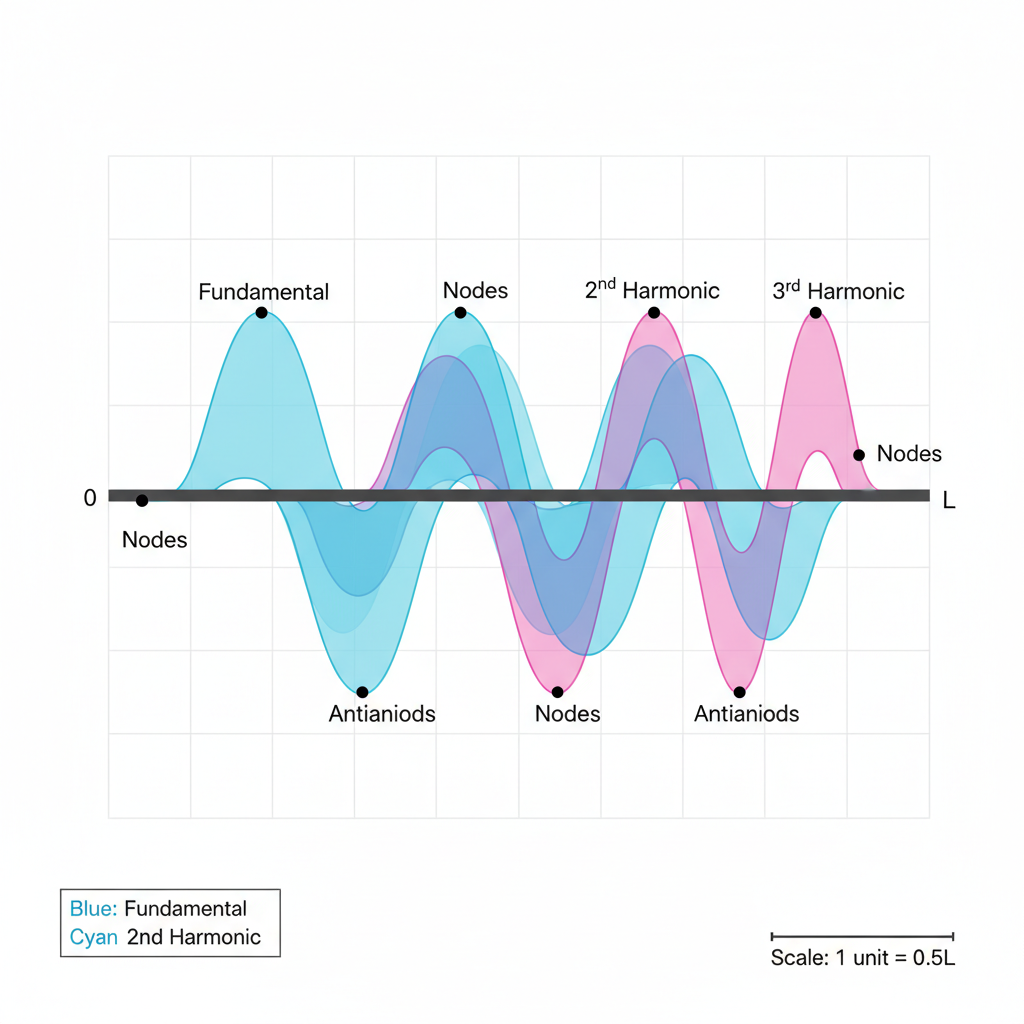
Below is a 3D visualization of a vibrating string. Use the controls to adjust the string's properties and observe how changes affect its vibration patterns.
50
Quantum Circuit Representation
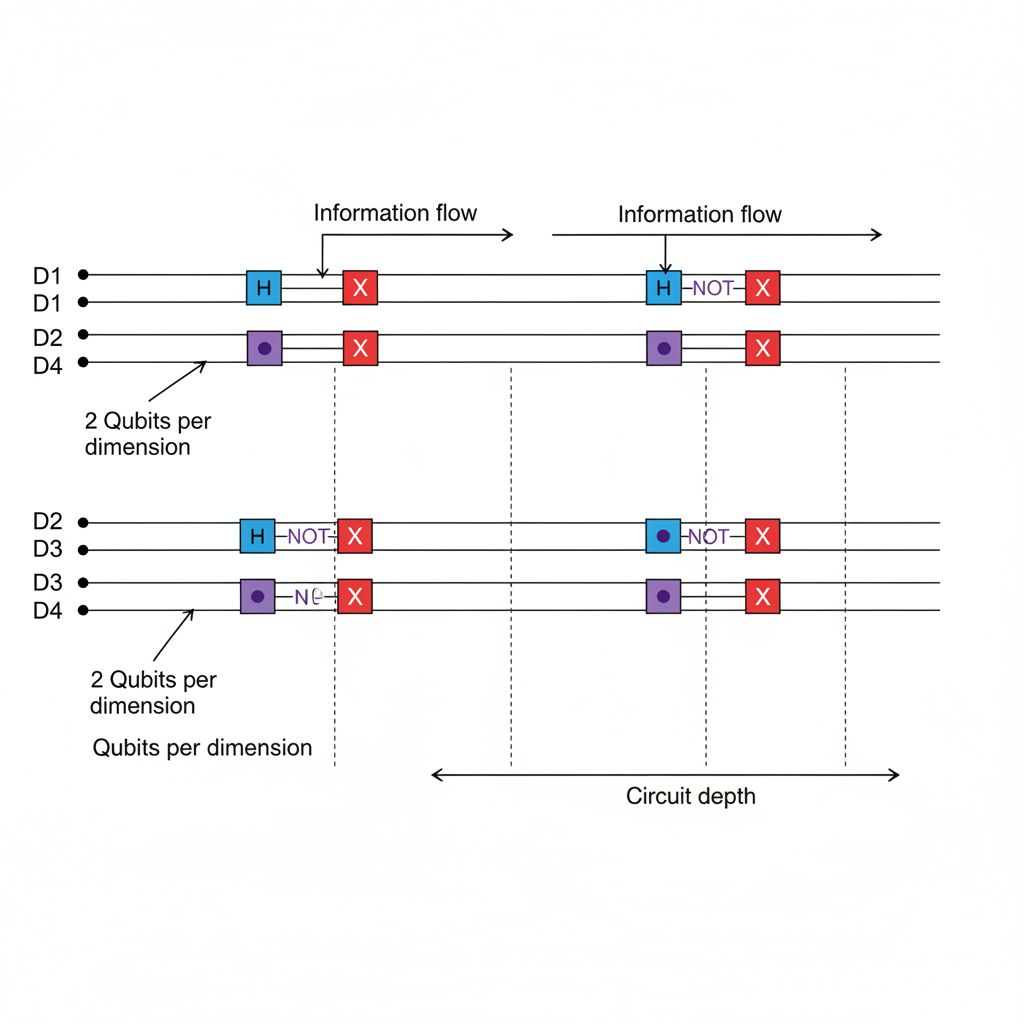
This section demonstrates how we can represent string vibrations using quantum circuits. The circuit adapts based on the number of dimensions and string properties set in the previous section.
3
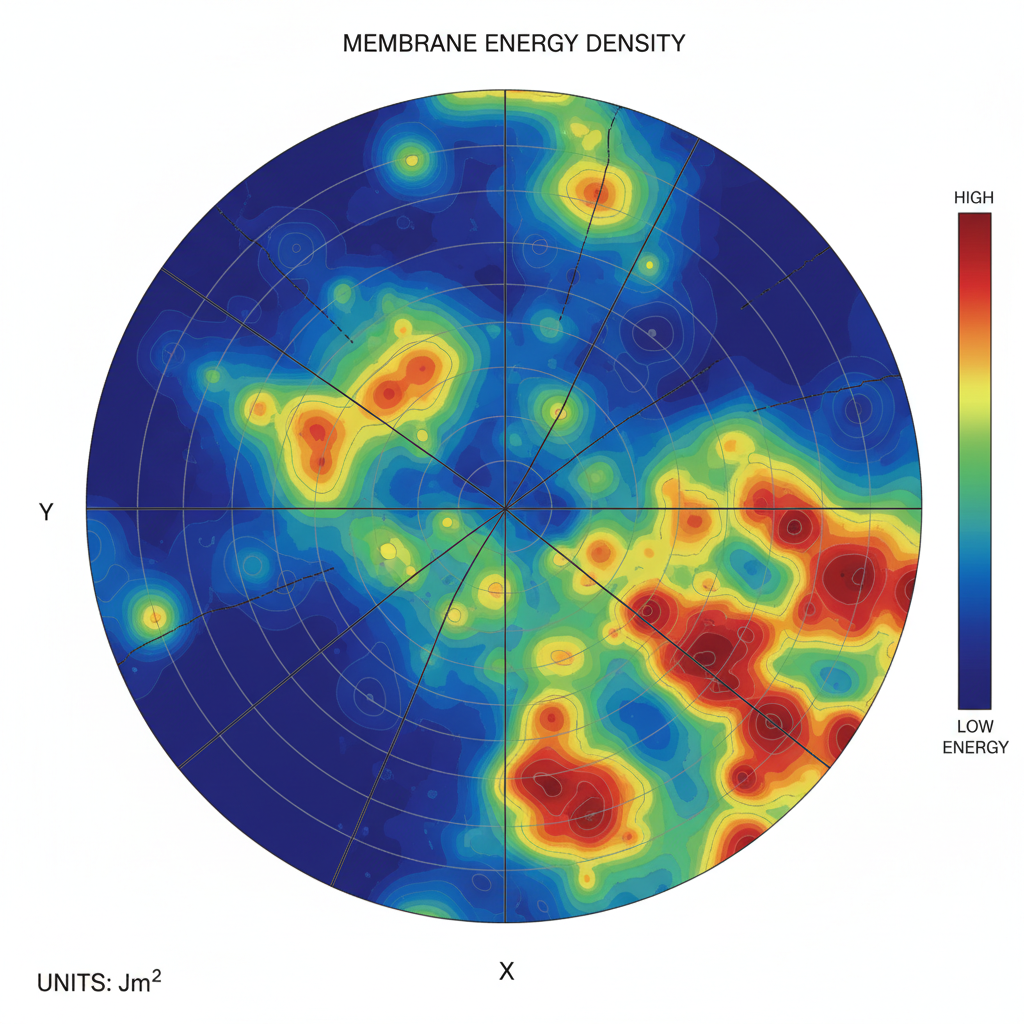
Analyzed Visual Aids
Illustrative art and diagrams to inspire intuition; each image includes an explanatory caption.